| |
| Tuesday, 13 October 2026 |
| Investigating Mediaeval Churches |
| James Wright |
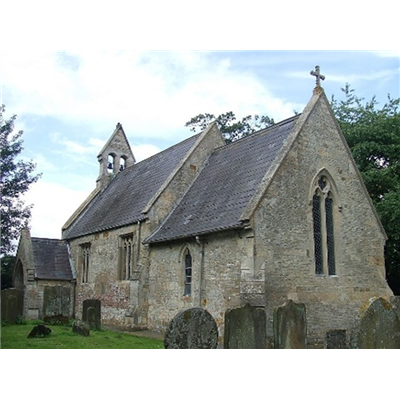 |
Mediaeval parish churches are some of the oldest and most loved buildings in the British Isles. However, relatively few of them have been archaeologically surveyed and many unverified stories have grown up around them. This talk will look at some of the commonly repeated tales about the architecture of churches, which are widely assumed to be true, but which ultimately fall into the realm of folklore and myth.
Picture: All Saints Church, Snelland, Lincolnshire The copyright on this image is owned by J. Hannan-Briggs and is licensed for reuse under the Creative Commons Attribution ShareAlike 2.0 license. |
|
| Tuesday, 10 November 2026 |
| From Tchaikovsky to Tin Pan Alley – Uplifting Music for Christmas |
| Sandy Burnett |
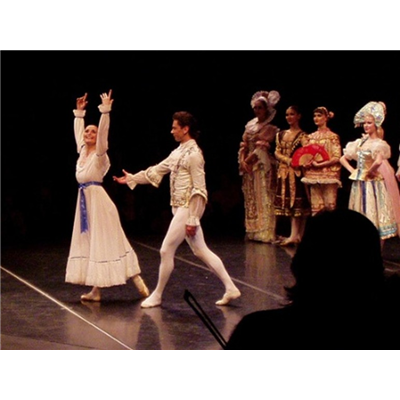 |
Looking ahead to our seasonal celebrations which are just around the corner, musician and broadcaster Sandy Burnett is on hand to share his selection of much-loved Christmas tunes. Expect an hour of the finest festive music from across the globe – his selections include sparkling moments from Tchaikovsky’s ballet The Nutcracker, a heartwarming ballad from Mel Tormé, something from Soweto, a heavenly chorus from Johann Sebastian Bach’s Leipzig, an illustration of the English carol tradition at its finest - and something more cynical from Eartha Kitt…
Picture: The Nutcracker performed by the St. Petersburg Ballet Theatre at Chichester Festival Theatre 03 Nov 2007. Licensed under the Creative Commons Attribution 2.0 Generic license |
|
| Tuesday, 08 December 2026 |
| Photography in Paint |
| Emma Watts |
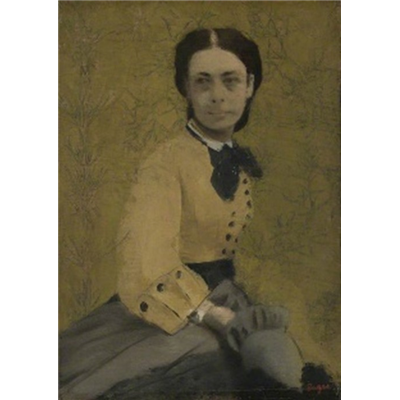 |
This talk will explore the relationship between paint and photography, but from the unique perspective of how painting responds to photography. Exploring how the two worlds and the rather unexpected response of paint to photography.
Picture: Pose and elusive expression of Princess Metternich from a photo by Disdéri, André Adolphe Eugène reappear in a Degas painting |
|
| Tuesday, 12 January 2027 |
| The Opera Singer Phenomenon - how do they make that noise? |
| Tim Mirfin |
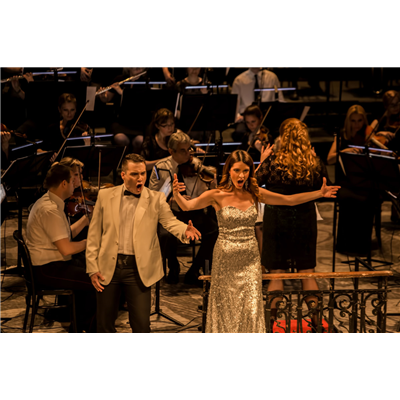 |
That strange noise opera singers make, is it really necessary? Why and how do they make it? Is it something anyone can do? The talk is liberally illustrated with picture, video and sound, and a small (unstressful) amount of audience participation. Opera fan, opera sceptic or opera ignoramus? This will appeal in equal measure. Photo © Merlot Levert/Dreamstime.com |
|
| Tuesday, 09 February 2027 |
| The Art and Culture of fin-de-siècle Vienna |
| Gavin Plumley |
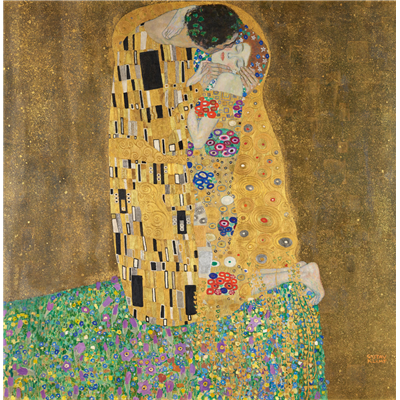 |
Vienna around 1900, a capital of a vast empire and one of the most exciting artistic laboratories in the world, producing painters such as Gustav Klimt and Oskar Kokoschka, architects like Otto Wagner and Josef Hoffmann, the psychoanalyst Sigmund Freud, the composer Gustav Mahler and the philosopher Ludwig Wittgenstein. How and why did the City of Dreams become a cultural hotbed? Picture: Gustav Klimt, The Kiss (Lovers), c. 1907–1909. Belvedere, Vienna |
|
| Tuesday, 09 March 2027 |
| Ancient Egyptian Artistry in Glass |
| Lucia Gahlin |
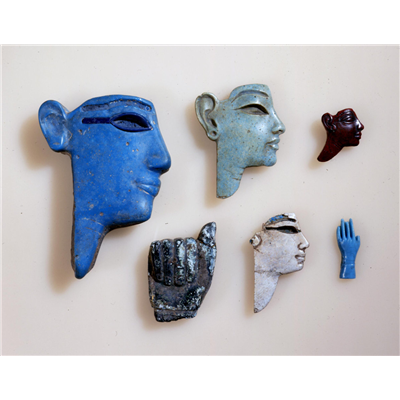 |
The ancient Egyptians began making glass in the Eighteenth Dynasty (c1450 BC). The Egyptians were soon masterful at producing a range of object types in coloured glass - vessels, inlay, beads, amulets, figures and even headrests. Lucia examines the developments in glass manufacture from the New Kingdom (15th century BC) through to the Roman Period in Egypt (1st century AD). Photo: Glass inlay reliefs, Egyptian, late 18th Dynasty. Photo © The Trustees of the British Museum. Shared under a Creative Commons Attribution |
|
| Tuesday, 13 April 2027 |
| “We are amused!” Victorian leisure from the parlour to the seaside via the nursery |
| Bertie Pearce |
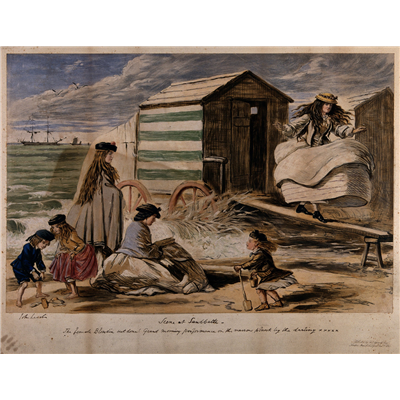 |
Even though ‘work’ was the bedrock of Victorian progress and improvement, Queen Victoria’s reign saw the greatest upsurge in leisure pursuits ever witnessed. People earned more money and worked shorter hours and with the birth of the Railways and better health awareness, it was a golden age for the art of entertaining oneself and being an amateur in the true sense of the word. Photo: Beach scene. Chromolithograph after John Leech, 1865. Source: Wellcome Collection |
|
| Tuesday, 11 May 2027 |
| Drawn from the Sea. Cornish fishing industry 1880 - 2010 |
| Alison Bevan |
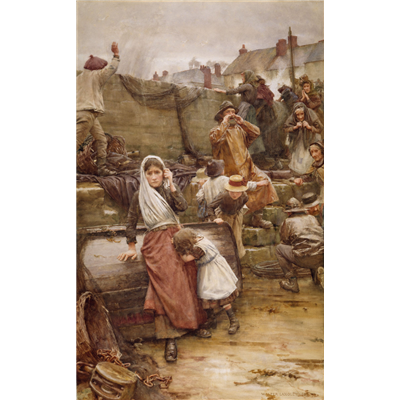 |
A key industry for Cornwall has been that of fishing. In the 1800s, vast pilchard shoals provided "meat, money and light all in one night". Using Newlyn School paintings, stories and photo images from an essay 'Newlyn: Fishing for a Living' by Vince Bevan, Alison explores the tragedy and hardship and the extraordinary spectacle of fishing in the late Victorian era, before bringing the subject through to the current millenium. Photo: Walter Langley, Disaster Scene in a Cornish Fishing Village, 1889. Birmingham Museums Trust, licensed under CC0 |
|
| Tuesday, 08 June 2027 |
| Garden Hunting in China |
| Timothy Walker |
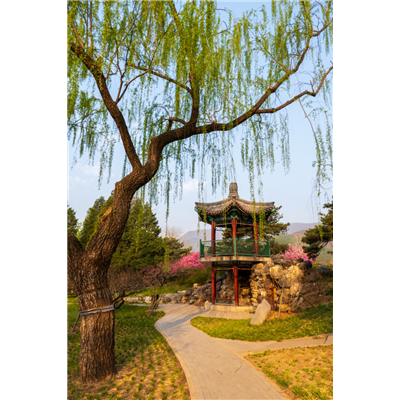 |
While many English gardeners have visited China to “collect” plants, few have gone to look for gardens. During a six-week trip Timothy visited gardens and met gardeners with a view to building bridges between Chinese and English horticulture. In addition to examining gardens and gardening, this talk looks at some of the wider cultural aspects of a country full of contradictions Photo: The China National Botanical Garden, Beijing. © Xiaoyong/Dreamstime.com |
|
| Tuesday, 07 September 2027 |
| The Baroque Country House |
| Amy Lim |
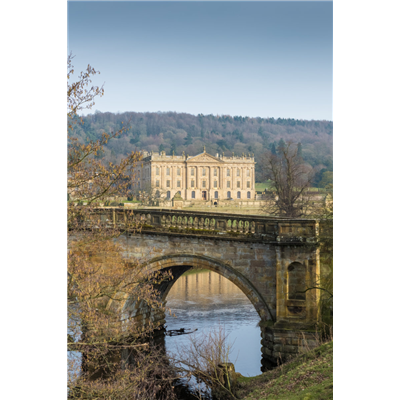 |
Many of Britain’s best-loved country houses were created in the ‘Baroque’ period (c. 1660-1720). Visiting some of the most iconic houses of the period, including Chatsworth, Petworth, and Blenheim, we will meet the patrons who created them and look at some of the highlights of their sumptuous interiors, gardens and collections, addressing the question: what is ‘Baroque’? Photo: Chatsworth House. © George Cairns/Dreamstime.com |
|
| Tuesday, 12 October 2027 |
| Art Behind Bars. The role of art in breaking the cycle of crime, prison and re-offending |
| Angela Findlay |
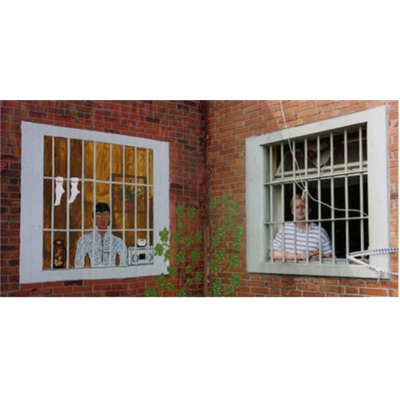 |
Working as an artist within the Criminal Justice System has given Angela unique insights into the destructive and costly cycle of crime, prisons and re-offending. Using images of art projects and prisoners’ art, she offers a deeper understanding of the minds, lives and challenges facing offenders. The process of creating art provides opportunities for offenders to develop necessary key life skills. Photo: © Angela Findlay |
|
| Tuesday, 09 November 2027 |
| The Nature of the Beast: Understanding fabulous animals in Medieval Art |
| Jonathan Foyle |
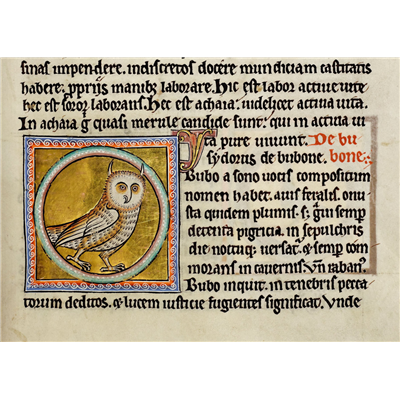 |
Medieval bestiaries are wondrously colourful worlds, blending fact with fiction, morality with mythology. They represent an understanding of the physical world, but also fulfilled the need for symbolic creatures to supplement biblical stories. What happened if you chased a bonnacon? What was a beaver's superpower? What did owls mean? In the course of an hour, we'll explore all these and more. Photo: Owl from Liber de naturis bestiarum (The Aberdeen Bestiary), c.1200-1300. University of Aberdeen. Licensed under Creative Commons Attribution 4.0 International (CC BY 4.0). Image has been cropped |
|
| Tuesday, 07 December 2027 |
| The Queen Mother’s love of jewellery |
| Jeremy Mainwaring Burton |
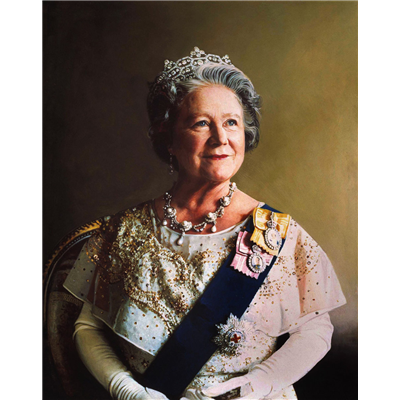 |
The Queen Mother had so much jewellery to choose from over the course of her long life – Heirlooms of the Crown and a spectacular collection of her own, that it would be almost impossible to describe it all. Jeremy chronicles her passion for jewels by concentrating on a selection of items which are of particular gemmological and historic interest ..… and have an intriguing story attached. Photo: Richard Stone, Her Majesty Queen Elizabeth, The Queen Mother, 1986 |
|